Spotting the warning signs early
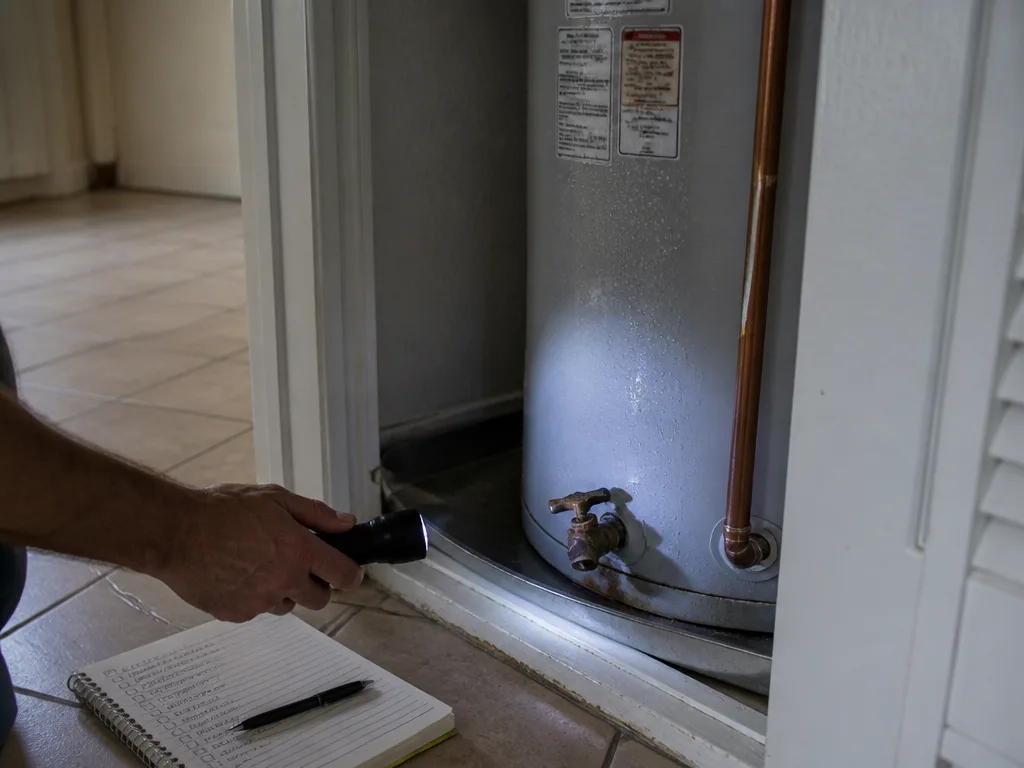
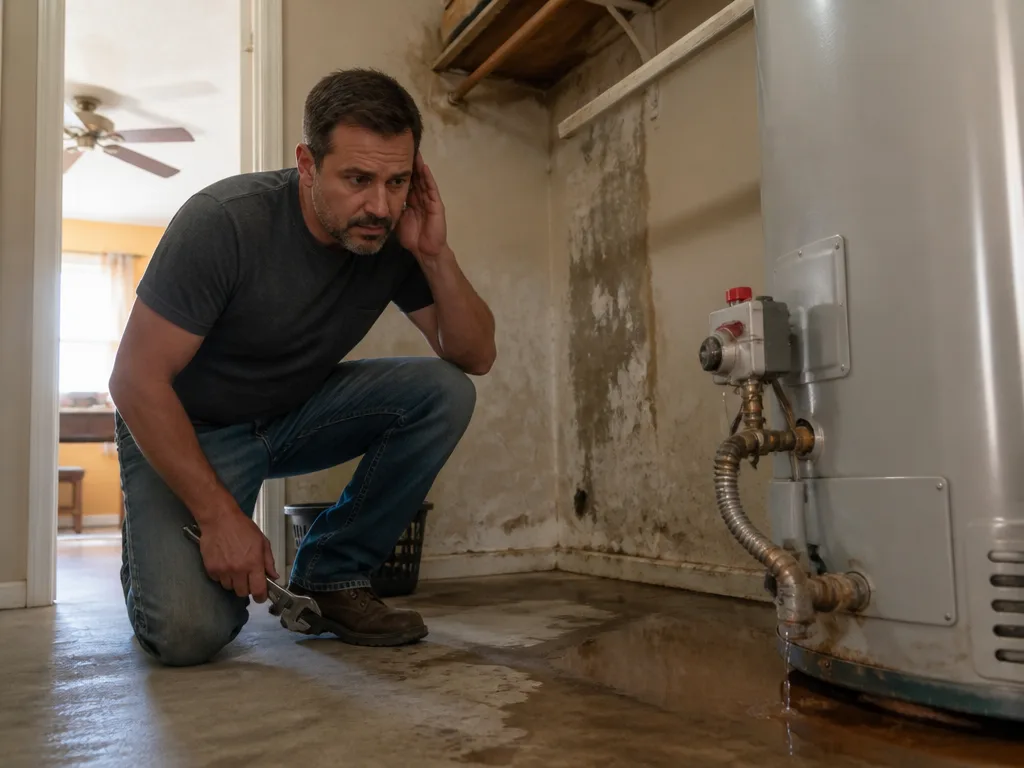
Across Texas, many homes rely on traditional, tank-style water heaters. When something isn’t right, the first clues show up at the faucet and in the utility room. A frequent warning flag is water pooling around the unit. If you notice moisture on the floor or a rust-colored stain on the tank, that could mean a valve leak or a corroded tank shell. Another signal is inconsistent water temperature or pressure. If hot water takes longer to arrive or runs cold abruptly, the problem often sits with the heater itself rather than the plumbing run.
From the panhandle to the Gulf Coast, even a small fault can escalate. The telltale sounds also matter. A rumbling or banging from the tank usually points to sediment buildup and mineral scale inside the tank. Over time that sediment can insulate the water from heating efficiently, driving up energy use and shortening the heater’s life. If you hear a constant chorus of hissing or popping noises, that’s a sign something inside the tank is overheating or venting improperly.
What those signs mean for your Texas home
Leaking water or dampness near the heater is not something to ignore. A slow leak can become a bigger flood if left unchecked. Heightened energy bills, uneven hot water, or longer wait times are practical reminders that a heater is working harder than it should. In Texas homes, where cycles can swing from cool mornings to hot afternoons, a heater fighting to keep up can end up shortening its lifespan and driving up maintenance costs.
Before you assume the worst, a check by a licensed plumber is essential. They can assess valve integrity, anode rod condition, and overall tank health. The goal is to determine whether the issue is a simple fix or a sign of imminent failure. Texas Water Heater Repair serves homeowners statewide with careful inspection and clear explanations of what’s happening inside your system.
What you can do now
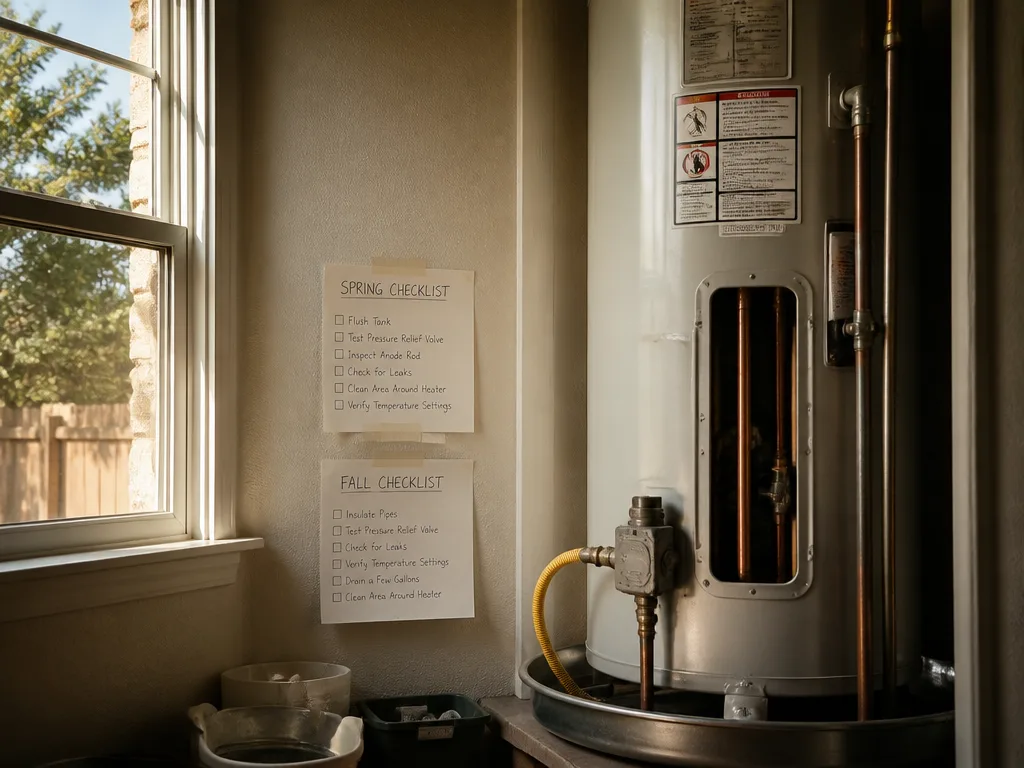
Turn off power to the heater if you find active leakage and water around the base. If you’re comfortable, shut off the cold-water supply valve to stop more water from entering the tank. Keep the area dry and note any puddling or stains to share with the plumber. For prevention, consider a yearly check of drain valves and a visual scan for corrosion or rust on the tank shell. Regular maintenance can catch a build-up problem before it becomes a big fix.
When in doubt, call a Houston-to-Lubbock crew, a Dallas-Fort Worth crew, or any Texas region where Texas Water Heater Repair operates. Our plumbers can confirm whether a leak is a seals issue, a pressure problem, or a sign of tank wear. We aim to give Texans a clear plan that stays within practical budget ranges and avoids surprises.
Bottom line
Leakage, temperature fluctuations, and unusual noises are practical flags that a water heater needs attention. Across Texas, a timely inspection by a qualified plumber helps protect your home and your wallet. If you’re unsure about what you’re seeing, reach out to Texas Water Heater Repair for a straight talk assessment and options that fit your home state-wide.